In these passages, we see God's design for the year of Jubilee, which occurred every 50 years. This year was to provide those who sold themselves for slavery or indentured service to be released at some point in life, in the year of jubilee. Also, this provision makes sure that property stays in its family … Continue reading Jubilee and Sabbath (Leviticus 25:8-22)
Penalty for Blasphemy and the Seventh Year Sabbath (Leviticus 24:10 – 25:7)
In this passage, blasphemy of the name of the Lord is determined to be a capital crime. Those committing that crime would be stoned to death. Moses goes on to reiterate or establish other crimes and their appropriate punishments: Murderers will be killed, those who kill an animal must replace it, basically the "eye for … Continue reading Penalty for Blasphemy and the Seventh Year Sabbath (Leviticus 24:10 – 25:7)

A Fatherless Generation: The Scourge of Illegitimate Children in the Church and the Community
We have a world full of illegitimate children with no heritage and no leadership. One of the problems with American society is the absence of fathers in the lives of young men. This is true in the physical, but also in the spiritual. Some children with somewhat capable physical providers as fathers do not have … Continue reading A Fatherless Generation: The Scourge of Illegitimate Children in the Church and the Community

The Tabernacle Lamps and the Bread (Leviticus 24:1 – 9)
Two elements of the worship experience in the tabernacle are discussed in this passage. The tabernacle lamps were to burn continuously before the Lord, and Aaron the Priest was to care for the lamps at all times. However, the people were to bring pure oil of pressed olives for the lamps. Also, Aaron was to … Continue reading The Tabernacle Lamps and the Bread (Leviticus 24:1 – 9)
The Feast of Tabernacles (Leviticus 23:33 – 44)
During the Feast of Tabernacles, the Israelites would come to Jerusalem and dwell in tents and eat of the best fruits of the land for seven days. This began on the fifteenth day of the eighth month with a Sabbath, and would continue for seven days until the eighth day, another Sabbath. This feast was … Continue reading The Feast of Tabernacles (Leviticus 23:33 – 44)
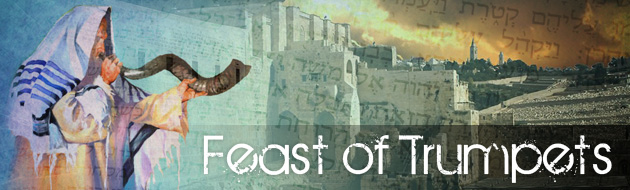
The Feast of Trumpets and the Day of Atonement (Leviticus 23:23 – 32)
On the first day of the seventh month, the Feast of Trumpets would occur with a Sabbath-rest and a memorial of blowing of trumpets. On the tenth day of the seventh month the Day of Atonement would occur. On that day, no work would occur, and every person would afflict their soul. That means they … Continue reading The Feast of Trumpets and the Day of Atonement (Leviticus 23:23 – 32)
Feasts of Firstfruits and Weeks (Leviticus 23:9 – 22)
In time of harvest, the firstfruits of the harvest were to be brought to the Lord as an offering. It would be waved before the Lord and then the individual or family could partake of the harvest. 50 days after the Feast of Firstfruits came the next grain offering, along with seven lambs for a … Continue reading Feasts of Firstfruits and Weeks (Leviticus 23:9 – 22)
The Sabbath and the Passover (Leviticus 23:3 – 8)
The first short paragraph outlines and reiterates the sanctity of the Sabbath. It is declares the Sabbath to be a day of solemn rest (which we have sadly forgotten) and holy convocation. The regulations concerning the Passover are reiterated, as well, specifically concerning the identification of it as a feast in the Jewish calendar, and … Continue reading The Sabbath and the Passover (Leviticus 23:3 – 8)
Offerings Accepted and Not Accepted (Leviticus 22:17 – 23:2)
The Levitical Code speaks here to the sacrifices unto God, and the conditions whereby they may be acceptable to God. They must be given with a willing heart, they must be offerings of perfect animals, with no defects. The animal cannot be blind, broken, or maimed, have skin diseases, uneven limbs, bruised, crushed, torn or … Continue reading Offerings Accepted and Not Accepted (Leviticus 22:17 – 23:2)
Penalties for Breaking the Law (Leviticus 20:1 – 22:16)
Penalties for crimes in Israel were severe. Many things were considered capital crimes, worthy of death, in their legal system: offering children to idols, consulting with mediums, cursing one's father or mother, adultery, and incest. Priests were to conduct themselves in specific ways as well: he shall not touch anything dead and defile himself, except … Continue reading Penalties for Breaking the Law (Leviticus 20:1 – 22:16)
 Devoted To You