Job muses about the possible encounter he should have with God if he had the opportunity. He reiterates his bitterness in complaining, and longs to find God, but He is not to be found. He believes that the answers of God would justify him and deliver him from his pain. In the middle of his … Continue reading Job: If I Could Talk to God (Job 23)
Bildad v. Job (Job 25 – 26)
Bildad begins his speech to Job by extolling the majesty of God, then asks the question, "How then can man be righteous before God?" He contends that man cannot be pure, neither the moon or the stars! 6 How much less man, who is a maggot, And a son of man, who is a worm?” … Continue reading Bildad v. Job (Job 25 – 26)
Job on the Crime in the Land (Job 24)
Job decries the lack of knowledge of God in the land. God sees all, yet people still do evil. Some remove landmarks, seizing flocks, abusing orphans and widows, and taking advantage of the needy and poor. They cause the disadvantaged to gather from other's fields and spend the night naked and cold. They steal children … Continue reading Job on the Crime in the Land (Job 24)
Eliphaz Rants Against Job (Job 22)
Eliphaz enters into a litany of accusations against Job, basically charging him with being self-righteous, wicked, extortionist, stingy, selfish, uncaring, etc. He then tells Job that his ways has brought traps all around him, and darkness over his life. He contends that Job questions the knowledge and wisdom of God, and declares certain judgement. He … Continue reading Eliphaz Rants Against Job (Job 22)
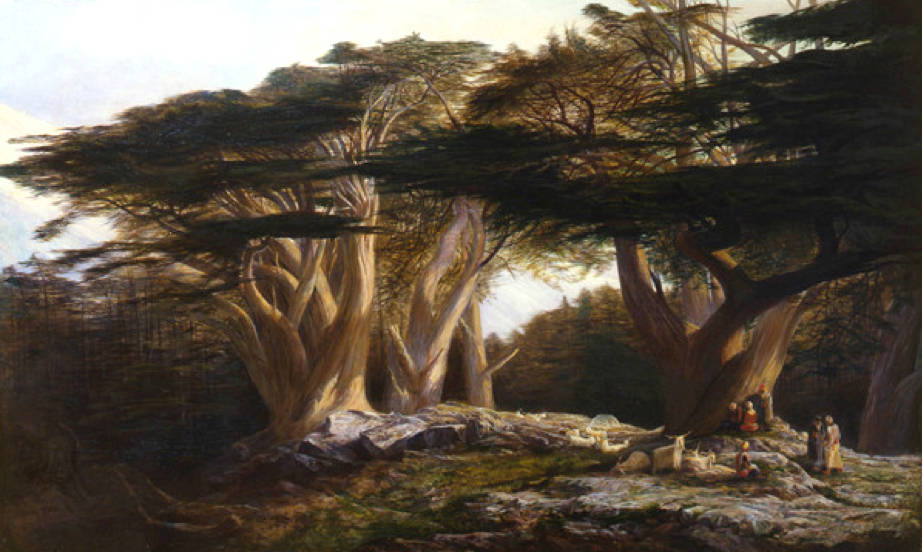
Like a Cedar (Psalm 92:12 – 15)
Psalm 92:12–15 (NKJV) 12 The righteous shall flourish like a palm tree, He shall grow like a cedar in Lebanon. 13 Those who are planted in the house of the Lord Shall flourish in the courts of our God. 14 They shall still bear fruit in old age; They shall be fresh and flourishing, 15 … Continue reading Like a Cedar (Psalm 92:12 – 15)
Job’s Response to Zophar’s Sermon (Job 21:1 – 34)
Zophar has proposed that the wicked are punished in this life. However, Job lifts up the fact that many wicked have prosperity and children, and have never been judged by God. He contends that God is simply God and there is not a particular formula by which He works, other than His sovereign will and … Continue reading Job’s Response to Zophar’s Sermon (Job 21:1 – 34)
Job’s Cry: I Know My Redeemer Lives (Job 19:1 – 20:29)
Job again recoils against his critical, blaming friends, and then turns his attention to God, identifying Him as the source of Job's trouble. He says that God has attacked him and taken things from him. He says that all people are repulsed by him, and he is the target of ridicule. However, Job then wishes … Continue reading Job’s Cry: I Know My Redeemer Lives (Job 19:1 – 20:29)
Job and Bildad (Job 17:1 – 18:21)
Chapters 17 and 18 show the depths to which the divide between Job and his firends is sinking. Job, in the middle of his continued anguish over his condition, identifies his friends as unwise, worthless to him, and his life as meaningless and heading for its end. Bildad replies defensively, asking Job how he can … Continue reading Job and Bildad (Job 17:1 – 18:21)
Job Reproaches His Pitiless Friends (Job 16:1 – 22)
Job opens his next speech by calling his friends "miserable comforters." He states that he could accuse himself if he were in their shoes, but he would couple it with comfort to relieve their grief. He describes how his enemies gnash at him and accuse him. Then he describes how God has shattered him and … Continue reading Job Reproaches His Pitiless Friends (Job 16:1 – 22)
Job’s Prayer (Job 13:20 – 15:35)
Job begins his prayer with a request for God not to abandon him or make him afraid. Then he asks God what sins he has committed and why He has put him in captivity. He utters the phrase, "Man who is born of woman is of few days and full of trouble" in 14:1. He … Continue reading Job’s Prayer (Job 13:20 – 15:35)
 Devoted To You